Streaming platforms release hundreds of new titles every month and almost none of them stay locked to a single language for long. A comedy filmed in Seoul reaches a living room in Sao Paulo within days. A documentary shot in rural France shows up in a school in Toronto the following week. None of this reaches an audience without accurate subtitling and the demand for reliable subtitling services has grown faster than most production studios expected.
Streaming Changed What Audiences Expect
A decade ago subtitles were treated as an afterthought added late in a production schedule. Today they are part of the release plan from the very first cut. Viewers now skip content entirely when subtitle timing feels off or when a translated line clashes with what is happening on screen. Studios learned this lesson the hard way after audience complaints tied directly to poor subtitle quality showed up in reviews and social posts within hours of a release.
Subtitling services now cover far more than converting dialogue from one language into another. A skilled subtitler compresses natural speech into a reading pace an average viewer can follow without losing meaning or tone. A joke that works in English often needs a completely different structure to land in Japanese or Portuguese. This is why studios increasingly treat subtitling as a creative task rather than a mechanical one.
Speed Now Matters As Much As Accuracy
Release windows have shrunk dramatically across every streaming platform. A show that once took months to reach international markets now needs subtitles ready within days of the final cut being locked. This pressure has pushed providers to build workflows that move fast without sacrificing the review step that catches timing errors and mistranslated idioms before a title goes live.
Providers such as PoliLingua handle subtitling projects with this speed requirement built into every stage. Their teams work directly from final video files rather than relying on rough machine output with a light human pass on top. That distinction matters most in scenes carrying emotional weight where a flat or mistimed line can undercut an entire moment the director spent weeks perfecting.
Where Subtitling Errors Cause The Most Damage
Comedy and wordplay create the toughest challenges for any subtitler working across languages. A pun built around a specific word in the source language rarely survives a literal translation and an inexperienced subtitler often just drops the joke entirely rather than finding a workable replacement. Viewers notice these gaps immediately and often mention them in reviews which can shape how a title performs in a new market.
Technical and educational content brings a different kind of risk. A tutorial video with mistranslated instructions can mislead viewers trying to follow along step by step. According to Wikipedia subtitling involves displaying written text derived from either a transcript or screenplay of the dialogue in films and television programs which explains why the underlying script accuracy matters just as much as the translation choices layered on top of it.
What Studios Should Check Before Choosing A Provider
Anyone selecting a subtitling partner for the first time should confirm the provider has native speakers reviewing every language pair rather than relying entirely on a single translator working alone. A cheap service that skips this review step often produces subtitles that read fine on paper but feel unnatural once timed against actual footage. Members of professional subtitling communities on forums such as r/translator frequently share examples of releases where rushed subtitles damaged how a title was received in a specific market.
Rising subtitle demand has a straightforward cause: audiences now watch things made somewhere else as a matter of course, and expect to. Genres that were once regional have become globally available almost overnight as a result. It is why country music now charts in markets with no obvious connection to it, having reached listeners who found it through a playlist rather than a radio station.
Demand rises fastest for services that meet people where they already are. That is a large part of why a mobile notary has become a normal booking rather than an unusual one, particularly for clients with mobility or scheduling constraints. The visit itself is far more routine than most first-time clients expect.
Demand for subtitling keeps rising fast because silent autoplay changed how most people watch. Agencies offering video subtitling services now handle social cutdowns alongside long form, which is a very different production rhythm. Volume grew, but so did the number of formats per asset.
Studios should also ask how a provider handles regional language variation. Portuguese spoken in Brazil differs meaningfully from Portuguese spoken in Portugal and a subtitler unfamiliar with that distinction can produce a translation that feels foreign to the intended audience even though every word is technically correct.
A Format That Keeps Evolving
Subtitling has moved well past fixed white text at the bottom of a screen. Some platforms now support styled subtitles that shift position to avoid covering important visual details. Others support closed captions carrying sound cues for viewers who are deaf or hard of hearing which adds another layer of skill to what a subtitling team needs to deliver. Providers who invest in staying current with these format changes tend to win repeat business from studios that value a partner who understands the full technical picture rather than just the language conversion piece.
Why This Demand Shows No Sign Of Slowing
International licensing deals continue to expand every year as streaming platforms compete for global audiences rather than sticking to a single home market. Independent filmmakers now routinely plan for multilingual release from the start instead of treating it as an expansion step years after a film premieres. This shift keeps pushing more projects toward professional subtitling teams that can handle multiple language pairs on tight deadlines without compromising quality.
Educational platforms and corporate training video producers have also entered this space in growing numbers. A company recording internal training content for offices across several countries now needs the same subtitling precision that a film studio requires for a theatrical release. This broader demand base means providers who built their reputation on entertainment content are now expanding into corporate and educational work to meet clients where the growth actually is.
How Quality Gets Verified Before Release
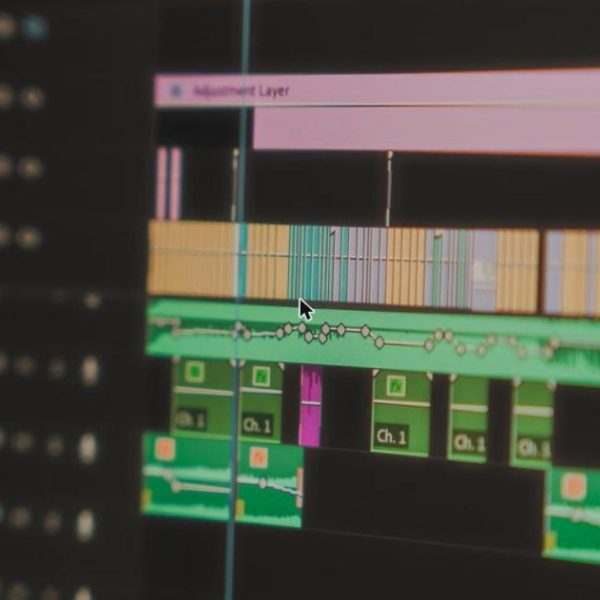
Reputable subtitling providers run a multi stage review process before any file reaches a client. A translator produces the first pass then a second reviewer checks timing and reading speed against the original footage. A final check confirms formatting matches the platform requirements since a streaming service and a broadcast network often expect different technical specifications for the same content. Skipping any of these stages raises the risk of an error slipping through that a viewer will notice within the first few minutes of watching.
This layered approach protects both the studio and the audience experience. It gives production teams confidence that a title will land well in every market it reaches and it gives subtitlers a clear standard to work against rather than guessing what level of polish a project actually needs. As global content distribution keeps accelerating the studios that invest in this kind of careful subtitling process will be the ones whose international releases actually perform the way their domestic releases did.